Care gives days shape
A dog's needs are simple to list and surprisingly easy to underestimate: movement, sniffing, things to think about, food and water, grooming, health care and a great deal of sleep. Meeting them through a steady daily rhythm is where everyday affection turns into dependable care, and where most of the companionship actually happens.
A rhythm, not a timetable
Dogs benefit from knowing roughly what comes next, but they don't need a schedule kept to the minute. A dog that only copes when everything happens at exactly the same time can become anxious when life inevitably shifts. The aim is a recognisable order, such as out, eat, rest, play, out, settle, with some flexibility built in.
Every dog's ideal day is different. Age, breed type, size, health and personality all shape how much activity and rest suits them, so the outline below is a shape to adapt, not a prescription.
The shape of an ordinary day
- A morning toilet break and a short, sniffy outing to start the day calmly.
- Breakfast at a broadly similar point each day, with fresh water always available.
- A settled spell: resting in a comfortable spot, perhaps with a suitable chew or a food puzzle.
- Company or a break in the middle of the day, especially for young, older or more dependent dogs.
- A main walk or activity that suits the dog's fitness, with time to explore.
- A short training or play session that gives the mind something to work on.
- An evening meal and a wind-down, then a last toilet trip before bed.
Movement and sniffing
Exercise needs vary widely. Some dogs thrive on long, active outings; others are content with shorter, gentler walks. What most dogs share is a need to use their nose. Sniffing is how dogs explore, and a walk that allows time to investigate is both physical and mental exercise. Letting your dog set a slower pace for part of the walk is often more satisfying for them than covering distance quickly.
Puppies, older dogs and dogs with health conditions may need activity adjusted with care. If you are unsure how much exercise is right, your vet can advise based on your dog's age and condition.
Rest is part of the plan
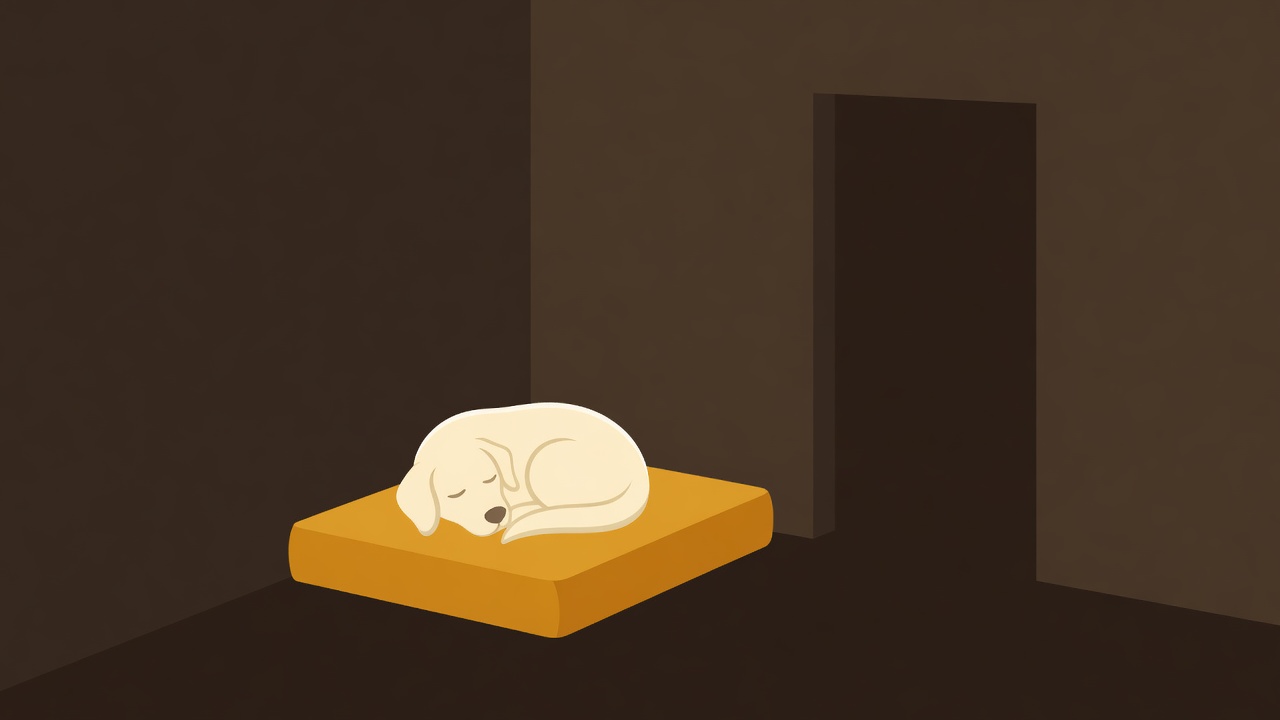
Adult dogs spend much of the day asleep or resting, and puppies and older dogs often need even more. A dog that cannot rest properly may become irritable, overexcited or clingy, which is easily mistaken for needing more exercise. A comfortable sleeping spot away from busy doorways, where children and visitors know not to disturb the dog, is one of the simplest welfare improvements in many homes.
- Quiet corner
- Soft bedding
- No interruptions
- Calm after busy days
Food, water and grooming
A complete diet suited to the dog's life stage, constant access to fresh water and sensible portions form the basics. Food needs depend on the dog, the food and its activity level, so feeding guides are a starting point, and a vet can help if weight is a concern. Treats used in training count towards the day's intake.
Grooming depends on coat type. Some dogs need regular brushing or professional trimming; most benefit from routine checks of ears, eyes, teeth, paws and nails. Building these into calm, short, rewarded moments makes them easier for everyone.
Health, age and the vet
Regular check-ups, vaccinations and parasite control appropriate to where you live are part of everyday care, and your vet can tell you what schedule suits your dog. Between visits, the most useful thing you can do is notice change: appetite, thirst, energy, weight, movement, toileting or behaviour that seems different from normal.
As dogs age, routines often need gentle adjustment: shorter but more frequent walks, easier access to resting places, softer bedding. Any concern about your dog's health, sudden or gradual, is a question for a veterinarian rather than for general information.